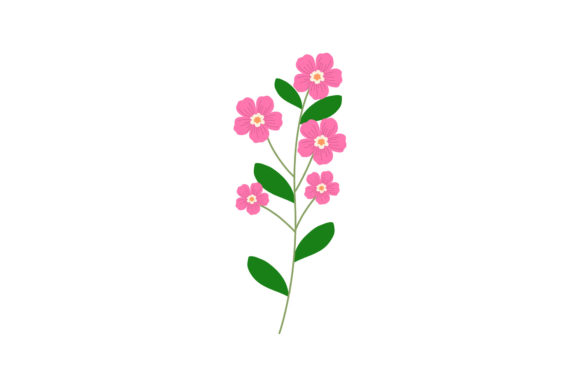
Spring Floral Bloom: A Designer's Review for Real Embroidery
When I first opened the Spring Floral Bloom file, my immediate reaction wasn't about the pixel count or the specific vector format. It was about the mood. There is a distinct energy in a design that tells you exactly where it belongs on a garment or an accessory. This piece exudes a fresh, organic vibe that feels perfectly suited for the lighter season, but its versatility extends far beyond just March and April. As someone who has stitched hundreds of designs for client projects and personal boutiques, I look for more than just pretty lines; I need to know how those lines will translate into thread.
The visual personality of Spring Floral Bloom suggests a design that is meant to be soft yet defined. The layout creates a natural focal point, which is crucial when placing embroidery on items like tote bags, aprons, or sweatshirts. It doesn't scream for attention with chaotic patterns; instead, it invites the viewer to lean in and appreciate the delicate interplay of shapes. For an embroidery designer looking to add a touch of elegance to their collection without overwhelming the fabric, this graphic offers a strong foundation.
From Screen to Stitch: The Real-World Test
Let's imagine a practical scenario. You are preparing a custom order for a local boutique owner who needs a batch of embroidered kitchen towels for a spring home decor line. She wants something that screams "freshly baked goods" and "garden party." You pull up Spring Floral Bloom. The first thing you notice is the balance between open space and detail. In a digital mockup, it looks crisp, but the real test happens when you load it into your machine software.
If you were to stitch this onto a linen tea towel, the design would likely perform beautifully. The floral elements suggest a mix of satin stitches for the petals and running stitches for the stems, creating a texture that contrasts nicely against the woven fabric of a kitchen towel. However, if you tried to use this same design on a stretchy cotton t-shirt without proper stabilizer, the tension might cause the flowers to pucker slightly around the curves. That is why understanding the geometry of the Illustrations category before cutting the thread is so important.
I also considered using this design for a set of baby onesies for a personalized gift shop. The softness of the theme fits perfectly with nursery decor trends. When stitching on baby clothes, we have to be mindful of the finish. If the design includes dense fill areas, it could feel stiff against a baby's skin. Looking at the flow of Spring Floral Bloom, it appears to rely more on outline work and lighter fills, which is ideal for maintaining the soft hand-feel required for infant apparel. A customer receiving a onesie with this embroidery would likely perceive it as high-quality and thoughtful, rather than mass-produced.
Where to Place Your Hoop and Where to Pause
Every designer knows that context is everything. While Spring Floral Bloom is versatile, it is not a one-size-fits-all solution for every surface. Its success depends heavily on the canvas size relative to the product dimensions. With a canvas size of 1920 px by 1280 px, the design is substantial enough to hold its own on larger items like pillow covers or large tote bags, but you must ensure it isn't stretched too thin on smaller surfaces.
There are specific scenarios where caution is required. If you are working with textured fabrics like heavy denim or coarse burlap, the fine details in the floral elements might get lost in the weave. Similarly, if you attempt to stitch this on a curved surface like a baseball cap, the distortion can alter the symmetry of the bloom, making the flowers look uneven unless the design is specifically digitized for caps. For embroidered patches, the outer edges need to be clean and stable to prevent fraying during wear, so checking the border density is a non-negotiable step.
Another critical factor is the background color. On dark fabric, the contrast of the thread colors becomes paramount. If the design relies on light pastels, they may appear muddy on a navy blue sweatshirt. Conversely, on white or light-colored fabric, the design pops with clarity. Before committing to a full production run for a craft business or an Etsy listing, I always recommend testing the design in black and white mockups. This helps visualize the value of the design independent of color, ensuring the shape itself is strong enough to stand alone.
Building Trust Through Professional Presentation
In the world of handmade products and commercial embroidery, the quality of the final stitch dictates the perceived value of the item. A well-executed embroidery project builds trust with the buyer. When a customer sees a consistent, clean application of Spring Floral Bloom on a custom hoodie or a holiday gift, they associate that precision with the brand's reliability. Sloppy stitching or incorrect scaling can ruin the aesthetic, no matter how beautiful the original graphic is.
This design works exceptionally well for branding purposes. Imagine a small shop owner stamping their logo alongside this floral element on packaging or tags. The cohesive look enhances the handmade product experience, making it feel curated and special. For Etsy sellers and digital product sellers, having a design asset that translates well from a digital preview to a physical reality is a competitive advantage. It allows you to create accurate printable mockups that show customers exactly what they are buying, reducing returns and increasing satisfaction.
However, remember that a graphic file is only as good as its execution. Whether you are selling finished goods or the digital files themselves, transparency regarding the file formats is key. The availability of AI, EPS, SVG, JPG, PNG, and DXF files provides flexibility, but it does not guarantee perfect results without human oversight. You must verify the stitch density and confirm the hoop size compatibility for your specific machine before starting a commercial job.
Practical Notes for the Discerning Maker
- Test on Scrap First: Never assume a design will work on a new fabric type without a preliminary test stitch. Use scrap material to check for puckering, thread breaks, or color clashes.
- Check Thread Contrast: Ensure the thread colors you plan to use provide enough contrast against your chosen fabric to make the floral details visible.
- Review Stabilizer Needs: Depending on the fabric texture, you may need cut-away or tear-away stabilizers to support the weight of the embroidery and maintain the design's integrity.
- Inspect Small Details: Zoom in on the vector data to ensure there are no tiny, disconnected elements that could get lost in the stitching process.
- Licensing Verification: Always read the terms carefully. Confirm whether you are allowed to sell finished items made with Spring Floral Bloom and understand any restrictions on the number of units you can produce.
Ultimately, Spring Floral Bloom is more than just a pretty image; it is a tool for creative entrepreneurs. It offers the potential to elevate simple items like tote bags and baby clothes into premium gifts. By approaching it with a professional eye—testing, adjusting, and respecting the limitations of the medium—you can turn this digital asset into a tangible success story for your business. Whether you are a hobbyist making a birthday present or a boutique owner restocking your shelves, this design brings a touch of spring that resonates with anyone who values quality craftsmanship.